

Before my twin daughters even started high school, I already had an extracurricular plan for them.
I wanted them to start a high school club.
Not just join a club. Start one. Build something from the ground up, bring other students together, and hopefully keep it going throughout their four years of high school.
As an education consultant, I could make a pretty convincing case for the idea.
Starting and running a successful club gives students opportunities to develop skills that matter well beyond college admissions: leadership, communication, teamwork, organization, problem-solving, time management, and the ability to follow through when something gets difficult.
They have to persuade people to get involved, work with different personalities, organize activities, handle setbacks, and learn that having a good idea is only the beginning. Actually making it work is another story.
And yes, those experiences can also give students something meaningful to talk about in their college applications.
To me, it seemed like a great opportunity.
There was just one problem.
Actually, there were two.
And both of them happened to be my daughters.
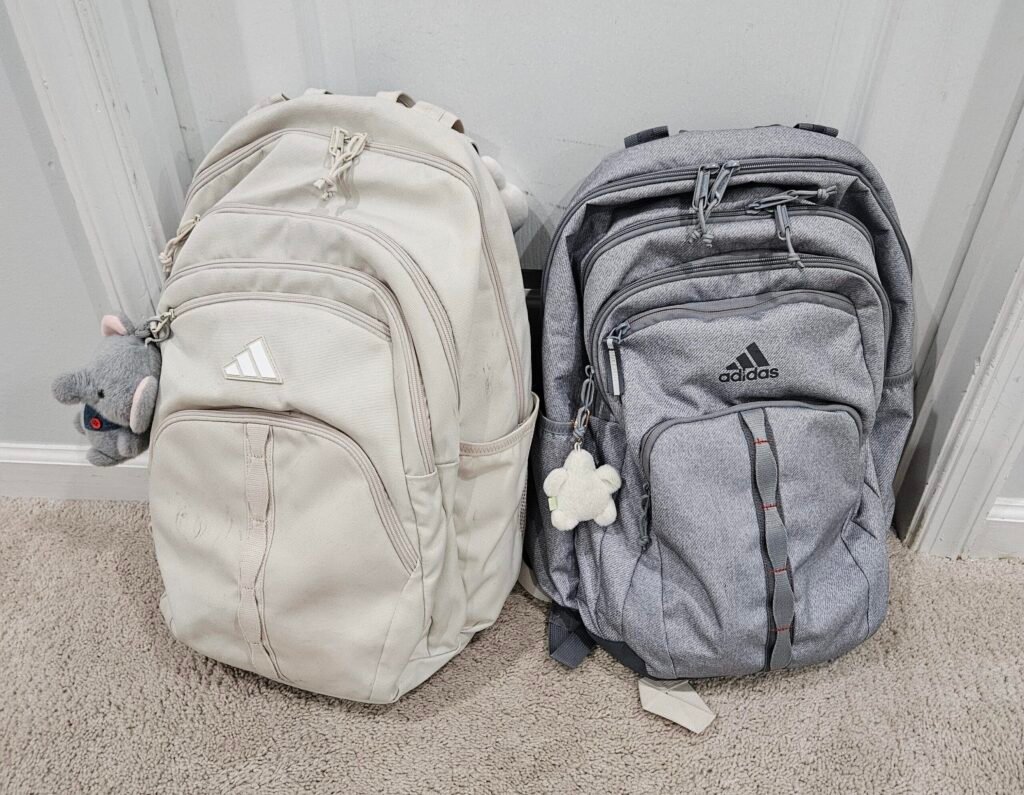
The Plan That Made Perfect Sense to Me
I knew starting a club would be a lot of work. Between classes, homework, and everything else that comes with high school, I didn’t want either daughter taking on something that would become overwhelming.
So I came up with what I thought was a pretty good solution.
They could start a club together.
My thinking was simple. The girls have different personalities and strengths. Why not use those differences to their advantage?
One could take the lead on certain responsibilities while the other handled the things she was better at or enjoyed more. They could share the workload, support each other, and hopefully build something neither would have wanted to tackle alone.
I even liked the idea of working with an established nonprofit organization, possibly starting a chapter at their high school. They wouldn’t have to invent everything from scratch, and they could contribute to a cause that already had a purpose and structure.
In my head, I could picture it working.
Two daughters. Different strengths. One shared project.
Pretty good plan, right?
Well, that depends on whom you ask.
Problem Number One: They’re Already Sisters All Day
Here’s something I probably should have considered more carefully.
My daughters are twins.
They live in the same house. They see each other every day. They already spend plenty of time together, whether they want to or not.
And I was suggesting they take on a demanding extracurricular project together, too.
What could possibly go wrong?
From my perspective, their differences made them a potentially good team. From their perspective, I was asking them to spend even more time working together when they were already getting plenty of togetherness at home.
I don’t think they were particularly interested in adding club meetings, planning sessions, and shared responsibilities to the list.
And the more I thought about it, the more I understood.
Just because two people have complementary strengths doesn’t mean they want to be business partners. Especially when those two people are teenage sisters who share a bathroom, a kitchen, and parents.
I had been thinking about what would make the club successful.
I hadn’t spent enough time thinking about whether the arrangement would make them happy.
Problem Number Two: They Were Just Trying to Figure Out High School
The second problem was even more important.
They weren’t particularly excited about starting a club in the first place.
And honestly, I can understand why.
Think about what the beginning of freshman year feels like.
New school. New teachers. New classmates. New schedules. New expectations. New friendships to figure out.
Even finding your way around a new building can feel like a project during those first few weeks.
Now imagine your dad coming along and saying, “You know what would be a great idea? Why don’t you start an organization, recruit members, find a teacher to sponsor it, plan activities, and run the whole thing?”
I can almost hear how that sounded to them.
They were still getting used to high school, and I was already thinking about what their extracurricular activities might look like three or four years down the road.
The consultant in me was looking ahead.
The dad in me needed to pay more attention to what was right in front of us.
They weren’t saying they never wanted to lead anything. They just weren’t ready to take on something that big, especially something they hadn’t chosen for themselves.
And if I’m being fair, the enthusiasm for this particular idea was coming mostly from me.
That’s usually worth paying attention to.
So We Changed the Plan
After talking it through, we decided not to start a club.
At least not now.
Instead, we agreed on something much simpler: each daughter would look for an existing club that genuinely interested her.
Not necessarily the club that sounded most impressive. Not the one I thought would look best on a college application.
Something she actually wanted to be part of.
The idea was to let them get involved, meet people, and see how things worked before taking on more responsibility.
If they enjoyed the experience, they could become more active over time. Maybe help organize an event. Volunteer for a project. Take on a responsibility nobody else wanted. Eventually, if the opportunity felt right, they might pursue a leadership position.
And if one of them discovers a cause or interest that makes her want to start something new, we’ll revisit the idea of founding a club.
But I want that decision to come from her.
There’s a big difference between a student who starts a club because a parent thinks it would be good for college and a student who starts one because she sees something missing and wants to do something about it.
The title might look the same on an application.
The experience probably won’t.
Does Starting a Club Really Matter That Much?
I still believe there can be tremendous value in starting and running a club.
When students take an idea, convince others to join them, and turn it into something that actually works, they’re learning lessons that are hard to teach in a classroom.
But I’ve also spent enough years working with students to know that being a founder isn’t the only way to demonstrate leadership.
A student who joins an existing club, shows up consistently, takes initiative, helps improve it, and earns the trust of other members can have a meaningful experience, too.
Sometimes more meaningful than starting a club that exists mainly so someone can say they started one.
Colleges don’t simply award extra points because the word founder appears on an activities list. What a student actually does—and why it matters—is much more important.
I knew that professionally.
But when it came to my own daughters, I still got caught up in the appeal of starting something from scratch.
It sounded ambitious. It sounded productive. It sounded like we were getting a head start.
What I was overlooking was whether it was the right starting point for them.
If you’re wondering whether starting a club is the right move for your own high schooler, I’ve also written a practical guide on whether your high schooler should start a club, including what parents should consider before encouraging their teen to take on a leadership role.
The Consultant vs. The Dad
This experience reminded me a little of our Honors Geometry decision.
In both cases, I could see the potential benefit of challenging my daughters.
And in both cases, I had to recognize that a good opportunity isn’t automatically the right opportunity at the right time.
There’s nothing wrong with having a plan. I still think parents should help their kids look ahead and recognize opportunities they might otherwise miss.
But I’m learning that there’s a difference between helping my daughters see what’s possible and deciding what they should want.
My job isn’t to build two impressive high school résumés.
It’s to help two very different young people figure out what interests them, what they’re good at, what they’re willing to work for, and where they want to go.
If that eventually leads to starting a club, wonderful.
If it leads to becoming a dedicated member or leader of an existing one, that’s wonderful, too.
For now, they’ve each found clubs that interest them, and we’re letting things develop from there.
Maybe one day I’ll be writing about how one of them decided to start her own organization.
Or maybe I’ll be writing about how she found her place in a club someone else started and helped make it better.
Either way, I hope the story will be about something she genuinely cared about.
Not just something her dad thought would look good on a college application.
And for this particular dad, that’s probably the more important lesson.
A Resource for Parents
If your teen is thinking about starting a high school club—or joining one that already exists—MIT Admissions’ guidance on extracurricular activities is worth reading. It’s a helpful reminder that students should pursue activities that genuinely interest them, not just ones they think will look impressive on a college application. That’s something my daughters helped me understand.
Follow the Decisions
Two daughters. Two different paths. One dad learning as we go.
I’m an education consultant with 15 years of experience helping families navigate high school and college preparation. Now I’m doing it with my own twin daughters—and discovering that being the dad is a little different from being the consultant.
MaddKatt is where I share the decisions we’re making, the lessons we’re learning, and the occasional reminder that even someone who does this for a living doesn’t have all the answers.
Want to follow along? Join Follow the Decisions for occasional notes from our journey—the everyday moments, unexpected turns, and things worth sharing along the way.
As a welcome gift, I’ll send you The Freshman-Year Reality Check: 10 Conversations Worth Having With Your High Schooler.
By subscribing, you agree to receive occasional MaddKatt email updates. Your email address will be processed by MailerLite. Unsubscribe anytime. See our Privacy Policy.
